


Designing a home is more than just arranging furniture or picking colors—it’s about crafting a space that reflects your personality and enhances your lifestyle. Whether you live in a cozy apartment or a spacious house, understanding the basics of home interior design can help you create an environment that feels comfortable, stylish, and uniquely yours.
Understanding the Art of Home Interior Design
At its core, home interior design is the thoughtful process of enhancing a space to make it both functional and aesthetically pleasing. It involves balancing colors, textures, lighting, and furniture placement to create harmony throughout your home. A well-designed interior not only elevates your home’s beauty but also influences your mood and productivity.
The beauty of interior design lies in its flexibility—there’s no one-size-fits-all approach. Every home tells a different story, and your design choices are the words that build it. From modern minimalism to rustic charm, your design journey begins with understanding your personal style.
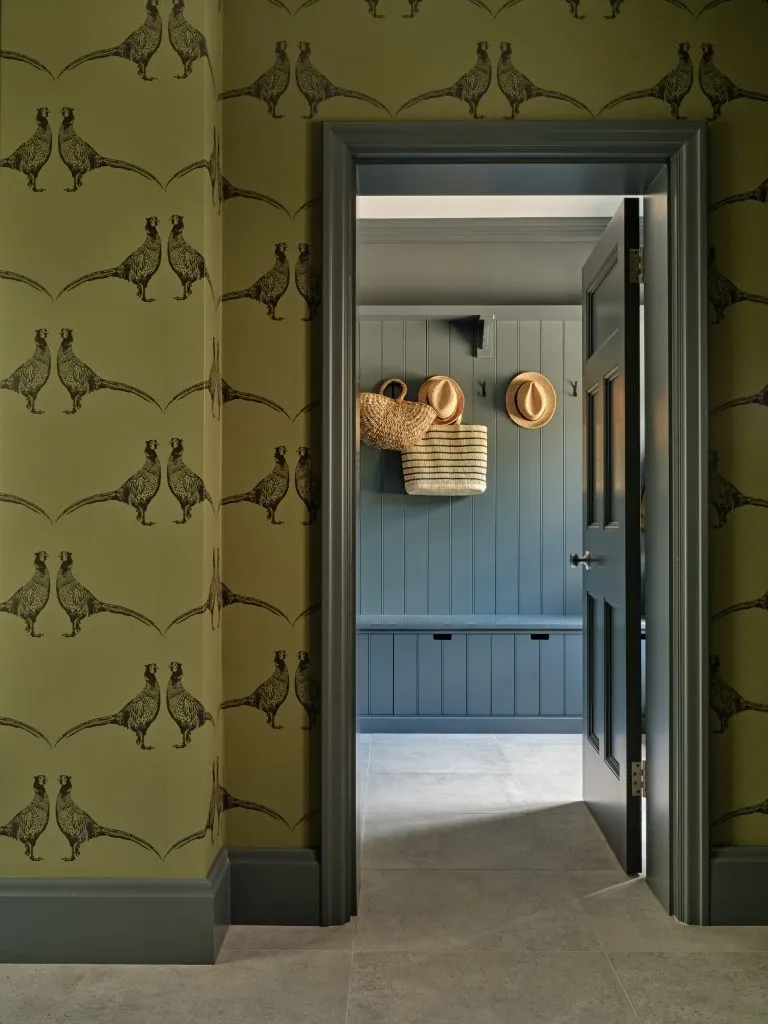
Key Elements of Modern Home Interior Design
The success of any interior design project depends on several foundational elements. Let’s explore what makes a space truly stand out:
Color Palette: Colors set the tone for your entire home. Neutral shades like beige, white, and gray create a serene atmosphere, while bold tones like navy, emerald, or terracotta add character and depth.
Lighting: Good lighting enhances every detail of your home. A mix of natural light, overhead fixtures, and accent lighting can transform the mood of any room.
Furniture Selection: Choose pieces that match your lifestyle. For instance, modular sofas work well in flexible living spaces, while statement chairs add personality to corners.
Textures & Materials: Combining different textures—like soft fabrics, sleek metals, and natural woods—adds warmth and dimension to your interiors.
Layout & Flow: A good layout ensures each room feels connected and functional, allowing easy movement and natural flow between spaces.
Tip: Always start with a vision board before beginning your design process. It helps you visualize how your color schemes, materials, and décor elements will come together.
Bringing Your Vision to Life
Once you’ve outlined your style and design preferences, it’s time to bring your ideas into reality. The key is to plan meticulously and layer each design element with care. Here’s how you can do it:
Start Small: Begin with one room at a time. Focusing on smaller areas prevents overwhelming and allows you to refine your design style as you progress.
Mix Old with New: Blend vintage pieces with modern accents to create a timeless, balanced look.
Use Nature as Inspiration: Incorporating plants, natural light, and organic textures can breathe life into your interiors.
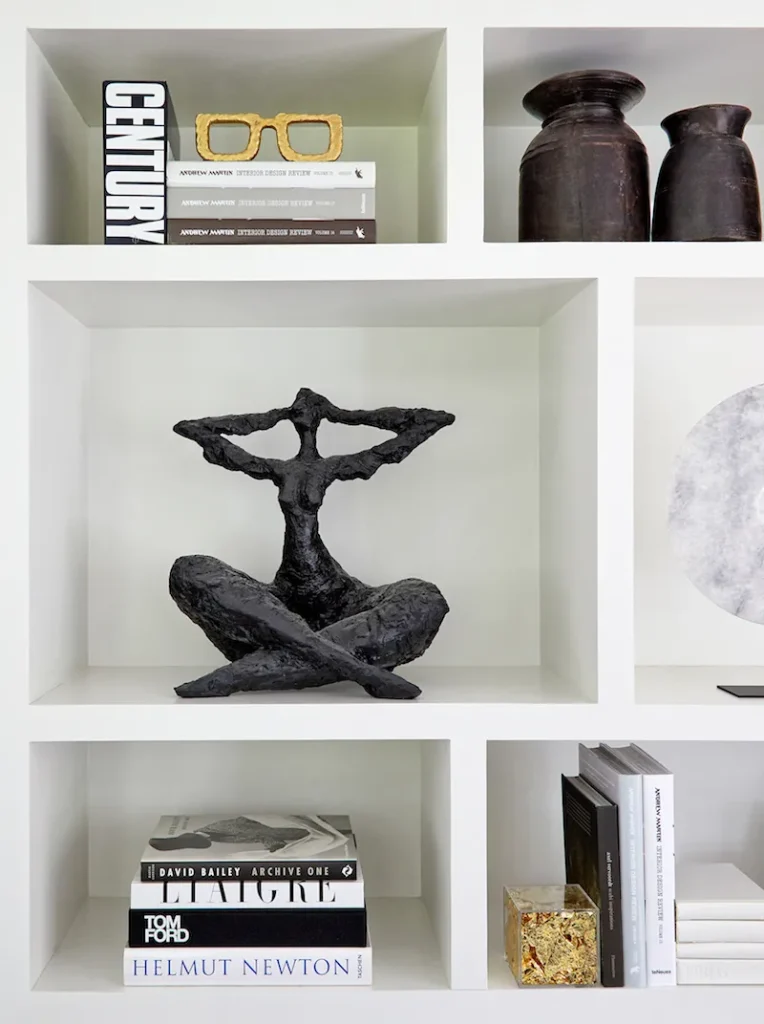
Personalize Your Space: Add art, family photos, or travel souvenirs to make your space truly yours.
Every home is different, and so is every homeowner. The essence of great interior design lies in personalization—making each space not only beautiful but also functional and meaningful.
Conclusion:
The future of interior design is moving toward sustainability and mindful living. Designers and homeowners alike are now choosing eco-friendly materials, energy-efficient lighting, and multifunctional furniture. Technology also plays a role, with smart home systems and design tools helping people visualize and customize their interiors more effectively.