


Faded, dull, and weathered shutters can significantly reduce the visual appeal of your home. Constant exposure to sunlight, moisture, and environmental pollutants causes exterior shutters to lose their original color and shine over time. Instead of replacing them, many homeowners now turn to shutter restorer products as a cost-effective and long-lasting solution.
However, not all restoration products deliver the same results. Choosing the right shutter restorer is essential for achieving durable, professional-looking outcomes. This guide explains how to select the best shutter restorer for your needs, helping you restore beauty, protect your investment, and maintain your home’s exterior with confidence.
Understanding What a Shutter Restorer Does
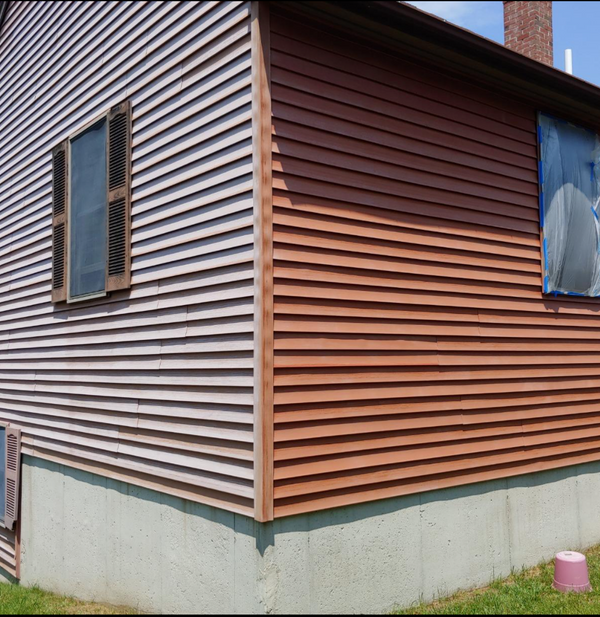
A shutter restorer is designed to revive faded shutters by penetrating the surface and restoring lost pigments and oils. Unlike paint, which simply coats the material, a restorer works within the surface to rejuvenate its appearance.
High-quality shutter restorer products also create a protective layer that helps shield shutters from future fading and weather damage. This combination of restoration and protection makes them a preferred choice for long-term maintenance.
Understanding this function is the first step in selecting the right product.
Consider the Material of Your Shutters
Before choosing a shutter restorer, it is important to identify the type of material your shutters are made from. Most modern restorers are formulated for vinyl, plastic, composite, and synthetic materials.
Some products also work on metals and other exterior surfaces. Selecting a restorer that matches your shutter material ensures better absorption, stronger bonding, and longer-lasting results.
Always review product compatibility information to avoid ineffective application or surface damage.
Look for Water-Based and Eco-Friendly Formulas
One of the most important factors in choosing a shutter restorer is its formulation. Water-based and low-odor products are safer for both users and the environment.
Eco-friendly formulas do not rely on harsh solvents or toxic chemicals. They reduce indoor and outdoor air pollution while protecting nearby plants and surfaces.
A responsible shutter restorer supports sustainable home improvement while delivering reliable performance.
Evaluate Ease of Application
A good shutter restorer should be easy to apply, even for beginners. Most high-quality products follow a simple clean, apply, and dry process without complicated preparation.
Avoid restorers that require sanding, priming, or heavy equipment. User-friendly products save time, reduce mess, and minimize the risk of errors.
Choosing an easy-to-use formula ensures that you can achieve professional results without hiring specialists.
Check for Long-Lasting Protection
Durability is a key feature of a reliable shutter restorer. Some low-quality products offer short-term improvements that fade quickly under sunlight and rain.
Look for restorers that provide extended protection against ultraviolet rays, moisture, and surface wear. Long-lasting formulas help maintain restored color and shine for years.
A durable shutter restorer reduces the need for frequent reapplication and saves money over time.
Assess Cleaning and Preparation Requirements
Proper preparation is essential for successful restoration. Many high-quality shutter restorers include or recommend using a compatible shutter cleaner to remove dirt, oxidation, and buildup.
A mild and effective shutter cleaner prepares the surface without causing damage. This allows the restorer to bond evenly and perform at its best.
Choosing a product with simple and safe cleaning requirements makes the restoration process smoother and more reliable.
Review Product Coverage and Efficiency
Coverage efficiency is another important consideration. Some shutter restorers require multiple coats to achieve noticeable results, while premium formulas deliver strong coverage in a single application.
Efficient products save time and reduce material usage. They also minimize streaking and uneven finishes.
Checking coverage information helps you select a restorer that matches the size and condition of your shutters.
Look for Multi-Surface Compatibility
Many homeowners prefer products that work on more than just shutters. Some shutter restorer formulas are suitable for garage doors, patio furniture, mailboxes, and exterior plastics.
This versatility adds value and allows you to refresh multiple areas of your property using one solution. A multi-surface product maximizes convenience and cost-effectiveness.
If you plan to restore several outdoor features, compatibility becomes even more important.
Consider Safety and Odor Levels
Strong chemical odors can make restoration uncomfortable and unsafe, especially in residential areas. High-quality shutter restorers are designed to be low-odor and non-toxic.
Safe formulas protect users, family members, and pets from irritation and harmful exposure. They also make outdoor application more pleasant.
Choosing a low-VOC restorer ensures a healthier restoration experience.
Read Reviews and User Feedback
Customer feedback provides valuable insight into product performance. Reviews often highlight real-world durability, ease of use, and visual results.
Look for consistent praise related to longevity, color restoration, and overall satisfaction. Avoid products with repeated complaints about fading, streaking, or poor adhesion.
User experiences can help you make informed and confident purchasing decisions.
Balance Quality and Cost
While affordability matters, the cheapest option is not always the best. Low-cost restorers may require frequent reapplication or deliver inconsistent results.
A high-quality shutter restorer may cost more initially but provides better protection and durability. This leads to long-term savings and fewer maintenance concerns.
Balancing price with performance ensures better overall value.
Understand Maintenance Requirements
After restoration, maintenance should be simple. Quality restorers allow easy cleaning with water and mild solutions.
Occasional use of a gentle shutter cleaner helps remove buildup and preserve the finish. Avoiding harsh chemicals keeps the protective layer intact.
Choosing a product with low maintenance needs makes long-term care easier.
Check for Included Accessories
Some shutter restorer kits include brushes, gloves, applicators, and cleaning materials. These extras simplify the process and ensure consistent results.
Having the right tools readily available reduces preparation time and improves application quality. Complete kits are especially helpful for first-time users.
Selecting a product with useful accessories enhances convenience and efficiency.
Match the Restorer to Your Climate
Environmental conditions affect how restorers perform. Homes in sunny or humid regions require products with strong UV and moisture resistance.
Choosing a shutter restorer designed for your climate helps ensure longer-lasting results. Climate-appropriate formulas withstand local weather challenges more effectively.
This consideration is essential for maintaining restored shutters year-round.
Final Thoughts
Choosing the right shutter restorer is the key to achieving long-lasting, professional-looking results without replacing your shutters. By considering material compatibility, eco-friendly formulation, durability, ease of use, and maintenance requirements, you can make a confident and informed decision.
A quality shutter restorer combined with proper preparation and occasional use of a shutter cleaner helps preserve color, shine, and protection for years. Investing in the right product saves time, reduces waste, and enhances your home’s curb appeal.
With the right approach and reliable solution, restoring your shutters becomes a simple, rewarding, and sustainable home improvement project.