


Industrial and commercial facilities deal with constant pressure every day. Forklifts move heavy pallets across warehouse floors, machinery creates impact damage, and harsh chemicals slowly weaken concrete surfaces. Without proper protection, concrete floors begin to crack, dust, and deteriorate, leading to safety concerns and expensive repairs. Businesses that rely on smooth operations need flooring systems designed to handle these demanding conditions.
Modern High Traffic Flooring, systems are engineered to deliver superior durability, safety, and long-term performance. These advanced flooring solutions create a protective barrier over concrete surfaces, helping facilities resist wear from heavy traffic, moisture, chemicals, and impact. Whether used in manufacturing plants, warehouses, food processing facilities, or commercial spaces, high-performance flooring systems help maintain operational efficiency and protect valuable infrastructure.
Why Standard Concrete Floors Fail
Concrete is strong, but it is not designed to handle constant industrial abuse without protection. Heavy rolling equipment and machinery create repeated stress that slowly weakens the surface. Over time, small cracks expand into larger structural issues that affect both safety and productivity.
Chemical spills are another major problem for untreated concrete. Oils, acids, solvents, and cleaning agents penetrate porous surfaces, causing deterioration and discoloration. Moisture exposure also contributes to damage, especially in facilities with frequent washdowns or humid environments.
Dusting is one of the most common issues in industrial buildings. As concrete surfaces wear down, fine dust particles spread throughout the facility. This affects air quality, contaminates products, and may damage sensitive equipment.
Benefits of High-Performance Flooring Systems
Increased Durability
Industrial flooring systems are built to withstand constant traffic and heavy loads. These systems provide high compressive strength and excellent resistance to abrasion, helping floors maintain their integrity for years.
Improved Workplace Safety
Damaged and uneven surfaces increase the risk of slips, trips, and accidents. Seamless flooring systems improve traction and create safer working conditions for employees and equipment operators.
Resistance to Chemicals and Moisture
Specialized flooring systems protect against chemical spills, oils, and moisture penetration. This makes them ideal for manufacturing plants, food processing facilities, and automotive workshops.
Easier Cleaning and Maintenance
Smooth and seamless surfaces are easier to clean compared to damaged concrete. Dirt, bacteria, and debris cannot easily collect in cracks or joints, improving sanitation standards.
Reduced Downtime
High-performance flooring systems reduce the need for frequent repairs and maintenance. Facilities can continue operating efficiently without constant interruptions caused by damaged floors.
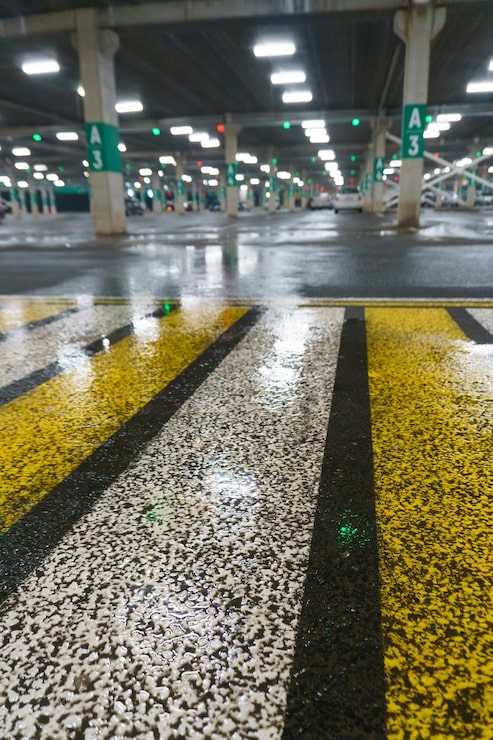
Common Types of Industrial Flooring Solutions
Epoxy Flooring Systems
Epoxy flooring is one of the most widely used options for industrial facilities. It creates a durable and impact-resistant surface capable of handling heavy equipment and continuous traffic.
Epoxy coatings are also resistant to chemicals, stains, and moisture. Warehouses, production facilities, and automotive garages commonly use epoxy systems because of their reliability and long lifespan.
Another advantage of epoxy flooring is its professional appearance. Businesses can choose different textures and finishes based on operational and safety requirements.
Urethane Cement Flooring
Urethane cement flooring is designed for harsh environments with high moisture and temperature fluctuations. This flooring system performs exceptionally well in food and beverage processing facilities where hot water washdowns and thermal shock are common.
The surface remains durable even under extreme conditions, making it a preferred choice for facilities requiring both hygiene and strength.
Polyaspartic Flooring
Polyaspartic coatings are known for rapid curing times and excellent durability. Businesses that operate around the clock often choose these systems because installations can be completed quickly with minimal downtime.
These floors also offer strong UV resistance, making them suitable for areas exposed to sunlight or changing environmental conditions.
Importance of Proper Surface Preparation
A flooring system is only as strong as the surface beneath it. Proper concrete preparation is one of the most critical steps in ensuring long-term flooring performance.
Before installation, contractors clean the substrate thoroughly and repair existing cracks or surface damage. Mechanical preparation methods such as shot blasting and diamond grinding create the ideal surface profile for strong adhesion.
Without proper preparation, flooring systems may peel, bubble, or fail prematurely. Investing in professional installation helps maximize durability and performance.
Industries That Benefit from Durable Flooring
Manufacturing Facilities
Manufacturing plants require strong flooring systems that can support heavy machinery and constant production activity. Durable floors reduce wear and improve operational efficiency.
Warehouses and Distribution Centers
Warehouses experience continuous forklift traffic and pallet movement. Strong flooring systems help maintain smooth operations while preventing surface deterioration.
Food and Beverage Facilities
Food processing plants require hygienic and moisture-resistant surfaces that can withstand frequent cleaning and harsh conditions.
Automotive and Mechanical Shops
Automotive facilities use flooring systems resistant to oils, chemicals, and impact from tools and equipment.
Modern Industrial high traffic flooring solutions provide dependable protection across all these industries while improving safety and operational reliability.
How Flooring Systems Support Business Operations
A damaged floor affects more than appearance. Cracks, dust, and uneven surfaces slow down productivity and increase maintenance expenses. High-performance flooring systems help businesses operate more efficiently by providing smooth and reliable surfaces for equipment and employees.
Durable flooring also contributes to a cleaner environment, especially in facilities where hygiene standards are critical. Reduced maintenance requirements allow businesses to focus on daily operations instead of constant floor repairs.
In many cases, investing in quality flooring systems lowers long-term operational costs by extending the life of the concrete substrate and reducing downtime.
Choosing the Right Flooring System
Selecting the right flooring solution depends on several factors. Facilities must evaluate traffic levels, exposure to chemicals, temperature changes, and moisture conditions before making a decision.
Businesses with heavy machinery and forklift traffic often benefit from epoxy or urethane cement systems. Facilities that require rapid installation may prefer polyaspartic coatings because of their fast curing properties.
Working with experienced flooring professionals ensures the chosen system meets operational needs and provides maximum durability.
Conclusion
Industrial and commercial facilities require flooring systems capable of handling constant wear, heavy equipment, and harsh environmental conditions. Untreated concrete surfaces quickly deteriorate under pressure, leading to cracks, dusting, and safety risks.
High-performance flooring systems such as epoxy, urethane cement, and polyaspartic coatings provide long-lasting protection and improved efficiency. These advanced solutions help businesses reduce maintenance costs, improve workplace safety, and protect their infrastructure for years. Choosing the right flooring system and ensuring proper installation are essential steps toward maintaining durable and reliable industrial floors.
FAQ
1. What is high traffic flooring used for?
High traffic flooring is used in industrial and commercial facilities to protect concrete surfaces from heavy equipment, forklift traffic, chemicals, and continuous wear.
2. Which flooring system is best for industrial facilities?
Epoxy and urethane cement flooring systems are among the best options because they provide excellent durability, chemical resistance, and long-term performance.
3. Why is industrial flooring important for safety?
Industrial flooring improves safety by creating slip-resistant and damage-resistant surfaces that reduce workplace accidents and equipment-related hazards.