

Home Blog Page 12

Transform Your Yard with Outdoor Gardening Tips for Every Season

Your yard is a dynamic space that changes with the seasons, offering endless opportunities to enhance its beauty and functionality year-round. By tailoring your gardening practices to each season, you can maintain a thriving and visually stunning outdoor space. These tips will help you transform your yard into a seasonal masterpiece.

Spring: Awaken Your Garden

Spring is the perfect time to breathe new life into your yard. Start by cleaning up debris from winter and preparing the soil with compost or organic fertilizers. Plant cool-season crops like lettuce, peas, and spinach early in the season, then transition to warm-season vegetables like tomatoes and peppers as temperatures rise.

Incorporate colorful flowers like tulips, daffodils, and pansies to brighten up your garden beds. Spring is also ideal for pruning shrubs and trees to encourage healthy growth and maintain their shape.

Summer: Maintain and Enhance

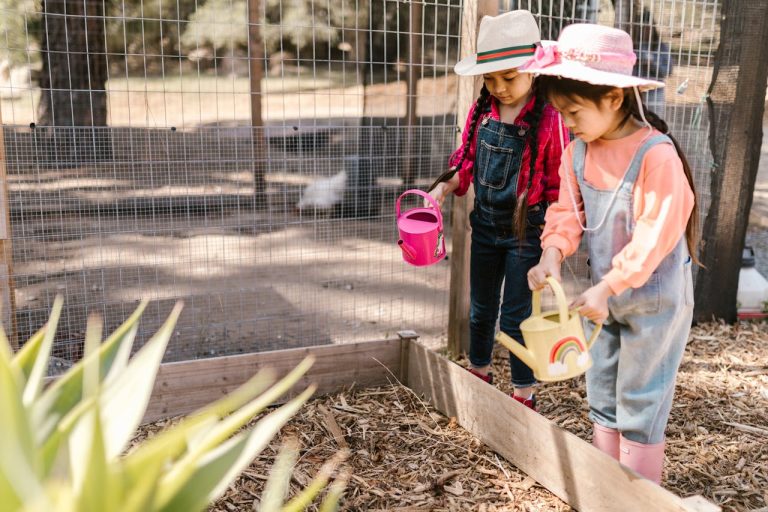
Summer brings longer days and vibrant growth, making it essential to keep your garden well-maintained. Water deeply in the early morning or late afternoon to prevent evaporation and keep plants hydrated. Use mulch to retain soil moisture and regulate temperature.

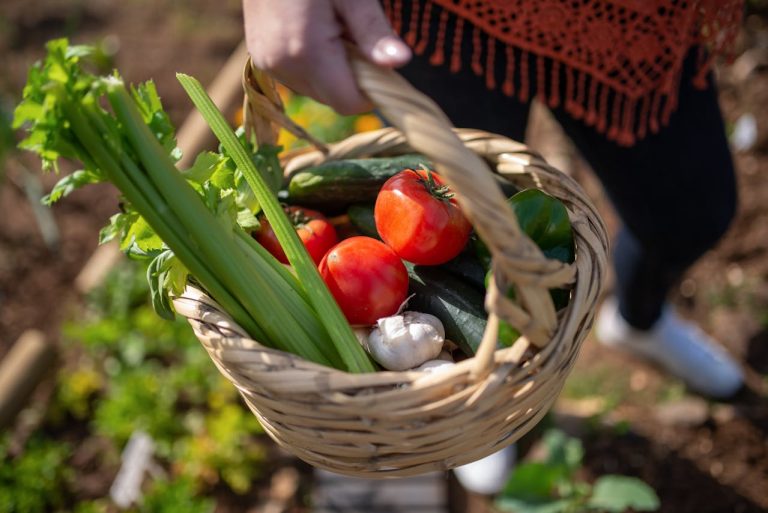
Plant heat-loving flowers like zinnias, marigolds, and sunflowers for a burst of color. Regularly harvest vegetables like cucumbers, zucchini, and beans to keep your plants productive. Keep an eye out for pests, and use organic remedies to address issues promptly.

Autumn: Prepare for the Next Cycle

Autumn is a time to prepare your yard for the coming year. Plant hardy vegetables like kale, broccoli, and carrots, and consider adding perennials to your garden beds. Fall is also the season to plant bulbs like tulips and hyacinths, ensuring a vibrant display in the spring.

Use the cooler weather to tidy up your yard. Rake leaves, remove spent plants, and add organic matter to your soil. Autumn is also a great time to aerate your lawn and reseed patches for a lush, green yard next year.

Winter: Plan and Protect

While winter is a quieter gardening season, it’s the perfect time to plan and protect your yard. Use frost covers to shield delicate plants and mulch to insulate roots from freezing temperatures. Prune dormant trees and shrubs to encourage healthy spring growth.

Indoors, start seeds for early spring planting and plan your garden layout for the upcoming year. If you live in a warmer climate, winter may still offer opportunities to grow cold-tolerant vegetables like spinach and onions.
Essential Outdoor Gardening Tips for a Flourishing Green Space

A thriving outdoor garden requires a combination of good planning, consistent care, and thoughtful plant selection. These essential tips will help you cultivate a flourishing green space that you can enjoy year-round.

Choose the Right Plants for Your Climate

Selecting plants suited to your local climate and soil conditions is the foundation of a successful garden. Native plants are often the best choice, as they require less water and maintenance. Research sun and shade preferences for each plant to ensure they thrive in your yard.

Prep and Enrich the Soil

Healthy soil is critical for plant growth. Test your soil’s pH and nutrient levels, and amend it with compost, organic matter, or specific fertilizers to meet the needs of your plants. Regularly aerate and mulch the soil to retain moisture and improve structure.

Water Wisely

Efficient watering practices are key to maintaining a healthy garden. Water early in the morning or late in the evening to minimize evaporation. Use drip irrigation systems or soaker hoses for consistent hydration. Focus on watering the base of plants to prevent diseases caused by wet foliage.

Embrace Seasonal Planting

Plan your garden with seasonal changes in mind. Plant colorful annuals in the spring, heat-tolerant species in the summer, and cool-season vegetables in the fall. Rotate crops and plants to maintain soil health and keep your garden visually appealing throughout the year.

Control Weeds and Pests Naturally

Weeds and pests can hinder the growth of your garden. Use mulch to suppress weeds, and hand-pull them regularly. For pests, introduce beneficial insects like ladybugs or use natural remedies like neem oil to protect your plants without harsh chemicals.

Transform Your Yard with Creative Outdoor Gardening Ideas

Your yard can become a stunning retreat with the right blend of creativity and gardening techniques. From adding visual interest to creating functional spaces, these outdoor gardening ideas will transform your yard into a beautiful and inviting oasis.

Design a Themed Garden

Themed gardens add personality and structure to your outdoor space. Whether you opt for a Zen garden with gravel pathways and bamboo plants or a vibrant butterfly garden filled with nectar-rich flowers, a theme creates a cohesive and intentional look. Use plants, décor, and hardscaping that align with your chosen theme for maximum impact.

Incorporate Vertical Gardening

Vertical gardening is perfect for smaller yards or to add a new dimension to larger spaces. Use trellises, hanging planters, or wall-mounted containers to grow climbing plants like ivy, roses, or vegetables. This technique not only saves ground space but also enhances visual appeal with greenery at different heights.

Add a Water Feature

Water features bring a sense of tranquility and sophistication to any garden. Install a small fountain, a pond, or even a DIY water feature using pots and a submersible pump. The sound of running water adds to the ambiance and attracts birds and pollinators to your yard.

Create Outdoor Living Areas

Transform part of your yard into an outdoor living space by adding seating, a pergola, or a fire pit. Surround the area with plants, pavers, or decking to define the space. Comfortable furniture and string lights can make it a cozy spot for entertaining or relaxation.

The Ultimate Guide to Choosing the Best Home Smart Devices

Smart home technology has become a vital part of modern living, offering convenience, efficiency, and enhanced security. With countless devices on the market, choosing the best ones for your home can feel overwhelming. This ultimate guide will help you navigate the options and select smart devices that fit your needs, budget, and lifestyle.

Assess Your Needs

Before diving into the world of smart devices, consider what you want to achieve. Are you looking to improve security, streamline daily tasks, or enhance your home’s energy efficiency? Identifying your goals will help narrow your options and ensure you choose devices that provide real value.

Prioritize Compatibility

One of the most important factors to consider is compatibility. Many smart devices work within ecosystems like Amazon Alexa, Google Assistant, or Apple HomeKit. Choose devices that are compatible with your preferred platform to ensure seamless integration and control through a single app or voice assistant.

Start with Essential Devices

If you’re new to smart home technology, start with a few essential devices:

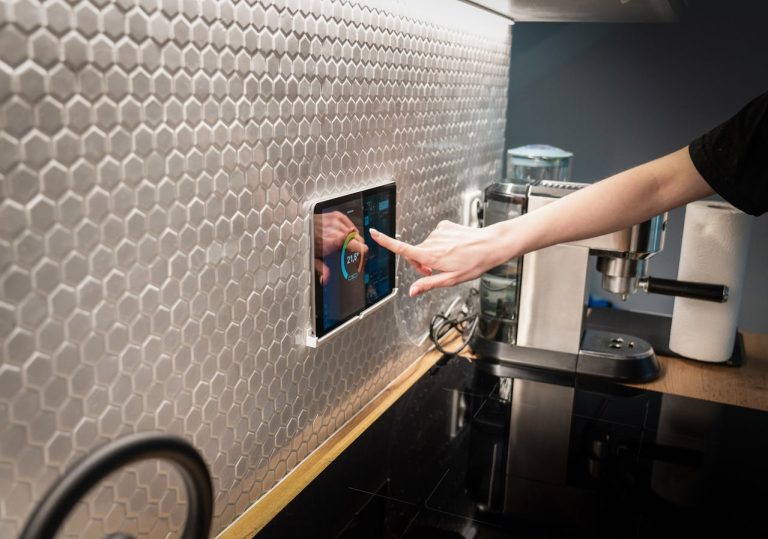
  • Smart Speakers and Displays: These act as hubs for controlling other devices while providing features like music streaming, reminders, and weather updates.
  • Smart Thermostats: Perfect for saving energy and maintaining a comfortable home environment.
  • Smart Security Cameras and Doorbells: Essential for monitoring your home and enhancing safety.

These foundational devices create a solid base for building a more comprehensive smart home system over time.

Evaluate Features and Specifications

Look for devices with features that align with your needs. For instance, if you’re buying a smart thermostat, choose one with geofencing and learning capabilities. If you’re investing in a security camera, opt for models with motion detection, night vision, and cloud storage.

Pay attention to specifications like Wi-Fi compatibility, battery life, and warranty to ensure you’re getting a reliable product.

Consider Your Budget

Smart devices range from budget-friendly options to high-end models with advanced features. While premium devices offer cutting-edge technology, many affordable options provide excellent performance for basic needs. Research thoroughly and compare products to find the best value for your money.

Affordable Smart Devices for a Tech-Savvy Lifestyle

Building a smart home doesn’t have to break the bank. Many affordable devices offer incredible features that bring convenience, security, and efficiency to your daily life. Here are some budget-friendly options for creating a tech-savvy lifestyle.

Budget-Friendly Smart Speakers

Affordable smart speakers like the Echo Dot and Google Nest Mini are compact and versatile. Despite their lower price, these devices offer voice control, music streaming, and smart home integration, making them a great starting point for any tech-savvy household.

Cost-Effective Smart Plugs

Smart plugs are one of the most affordable ways to begin automating your home. Devices like Wyze Plug and TP-Link Kasa Smart Plug let you control appliances remotely, set schedules, and monitor energy usage—all for a fraction of the cost of more complex systems.

Entry-Level Smart Security Cameras

Brands like Wyze and Blink offer budget-friendly security cameras that don’t skimp on essential features. These cameras provide HD video, motion detection, and cloud storage options, giving you reliable home monitoring without a hefty price tag.

Smart Bulbs for Energy Efficiency

Smart bulbs from brands like Sengled and Philips Wiz offer affordable lighting solutions that enhance both convenience and energy savings. With the ability to adjust brightness, change colors, and schedule lighting, these bulbs are perfect for creating the desired ambiance in any room.

DIY Smart Security Systems

DIY smart security kits from Ring or SimpliSafe offer affordable packages with door sensors, motion detectors, and cameras. These systems are easy to install and provide robust security features at a price point that won’t strain your budget.

Affordable Robot Vacuums

For those looking for automated cleaning solutions, budget-friendly robot vacuums like Eufy RoboVac deliver efficient floor cleaning without the high price of premium models. These devices are ideal for keeping your space tidy with minimal effort.

Top Smart Devices to Revolutionize Your Home in 2025

As technology continues to evolve, smart devices are becoming essential for creating a more connected, efficient, and convenient living space. In 2025, the latest smart devices offer cutting-edge features that can revolutionize your home. Here are the top devices you need to upgrade your living space this year.

Smart Speakers and Displays

Smart speakers like Amazon Echo, Google Nest Hub, and Apple HomePod have become the cornerstone of modern smart homes. These devices serve as virtual assistants, enabling voice commands for tasks like controlling other smart devices, checking the weather, and streaming music. Smart displays take it further with video calling, home monitoring, and interactive cooking tutorials.

Advanced Smart Thermostats

The newest smart thermostats, such as the Nest Learning Thermostat and Ecobee, provide precise temperature control while optimizing energy efficiency. These devices learn your habits, adjust settings automatically, and allow remote control through smartphone apps, helping you save on energy bills without sacrificing comfort.

Smart Security Cameras and Doorbells

Enhance your home’s security with advanced smart cameras and doorbells like Ring, Arlo, and Google Nest Cam. These devices offer high-definition video, motion detection, and two-way communication, giving you peace of mind whether you’re at home or away. AI-powered features such as facial recognition add an extra layer of protection.

Robotic Vacuums and Mops

Smart cleaning devices like iRobot’s Roomba and Roborock are more efficient than ever in 2024. Equipped with advanced mapping technology and voice integration, these robotic vacuums and mops can navigate complex layouts and clean your floors with minimal input.

Smart Lighting Systems

Create the perfect ambiance with smart lighting systems like Philips Hue or LIFX. These lights allow you to adjust brightness, change colors, and schedule on/off times via a mobile app. They’re also energy-efficient and integrate seamlessly with voice assistants for hands-free control.

Smart Plugs and Power Strips

Smart plugs from brands like TP-Link Kasa and Belkin Wemo transform ordinary appliances into smart devices. You can control them remotely, set schedules, and monitor energy usage. Smart power strips offer additional functionality by managing multiple devices simultaneously.

Must-Have Home Smart Devices for a Smarter, Safer Home

Smart home technology isn’t just about convenience—it’s about creating a secure and efficient environment for you and your family. Whether you’re starting your smart home journey or upgrading your setup, these must-have devices are essential for a smarter, safer home.

Smart Locks for Keyless Security

Smart locks like August Smart Lock and Schlage Encode offer advanced security by eliminating the need for traditional keys. Lock and unlock your doors remotely, create temporary access codes for guests, and monitor entry activity via smartphone apps.

Smart Security Systems

Comprehensive smart security systems, such as SimpliSafe and ADT Smart Home, include cameras, motion sensors, and alarms. These systems integrate seamlessly with mobile apps, allowing you to monitor your home, arm or disarm systems, and receive real-time alerts from anywhere.

Voice-Controlled Assistants

Voice-controlled devices like Amazon Alexa and Google Assistant centralize your smart home ecosystem. Use voice commands to control lights, thermostats, appliances, and more, creating a hands-free, intuitive experience.

Smart Plugs for Automation

Smart plugs, such as TP-Link Kasa and Wemo, turn ordinary appliances into smart devices. Control them remotely, set schedules, and monitor energy usage to increase convenience and reduce costs. Use them for lamps, coffee makers, or even holiday decorations.

Leak Detectors for Water Safety

Smart water leak detectors, like those from Flo by Moen or Honeywell, provide early alerts to potential leaks or flooding. These devices can save you thousands of dollars in water damage by notifying you immediately and, in some cases, shutting off water flow.

Smart Appliances

Upgrade your kitchen and laundry room with smart appliances like refrigerators, ovens, and washing machines. Brands like LG and Samsung offer appliances that connect to your phone, enabling remote control, monitoring, and even diagnostics.

Revolutionize Your Living Space with Top Home Smart Devices

Smart home devices are transforming the way we live, offering convenience, efficiency, and enhanced security at the touch of a button. From automating daily tasks to creating a more connected living environment, these top smart devices can revolutionize your home and lifestyle.

Smart Speakers and Displays

Smart speakers like Amazon Echo and Google Nest are the foundation of many smart homes. These devices allow you to control other smart devices, play music, set reminders, and even provide weather updates using voice commands. Smart displays, such as the Google Nest Hub, add a visual element, enabling video calls, recipe tutorials, and home monitoring.

Smart Thermostats

Devices like the Nest Learning Thermostat and Ecobee SmartThermostat optimize your home’s temperature while reducing energy consumption. These thermostats learn your habits and adjust settings automatically, ensuring comfort and energy savings. You can also control them remotely via smartphone apps.

Advanced Security Cameras and Doorbells

Video doorbells like Ring and Nest Hello enhance home security by allowing you to see and speak to visitors remotely. Paired with smart security cameras, such as Arlo Pro or Wyze Cam, these devices provide real-time surveillance, motion detection, and cloud storage options for a safer living environment.

Smart Lighting Systems

Lighting systems like Philips Hue and LIFX let you control brightness, color, and scheduling from your phone or through voice commands. You can create customized lighting scenes for different activities, such as reading, relaxing, or entertaining, while also saving energy.

Robotic Vacuums

Smart vacuums, such as iRobot Roomba and Roborock, automate cleaning tasks with precision and ease. Equipped with sensors and mapping technology, these devices navigate your home to keep floors spotless, saving you time and effort.

Plumbing Maintenance Tips to Avoid Costly Repairs

0

Preventative plumbing maintenance is essential to keep your home’s water system running smoothly and to avoid expensive repairs down the road. With regular checks and a few simple habits, you can prevent leaks, clogs, and other common issues that can lead to costly damage. Here are some practical tips to maintain your plumbing system effectively.

Inspect for Leaks Regularly

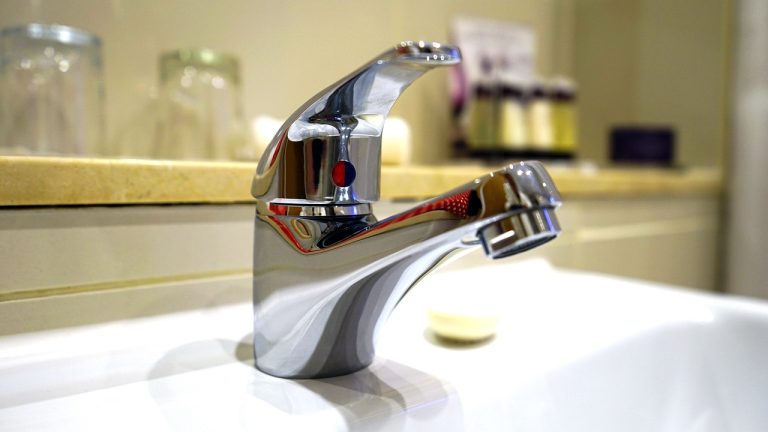
Even small leaks can lead to significant damage over time. Check faucets, under-sink pipes, and exposed plumbing for drips or moisture. Don’t forget to inspect your water heater and appliance connections. Addressing leaks early can save water and prevent structural damage to your home.

Clean Your Drains Periodically

Clogged drains are a common problem that can escalate if left untreated. To keep them clear, avoid pouring grease or oil down the sink and use drain strainers to catch food particles and hair. Periodically flush your drains with a mixture of hot water, baking soda, and vinegar to dissolve buildup naturally.

Check Water Pressure

High water pressure can strain your pipes and lead to leaks or bursts. Test your water pressure using a pressure gauge, which you can purchase at a hardware store. Ideally, your home’s water pressure should be between 40-60 psi. If it’s too high, consider installing a pressure regulator to protect your plumbing system.

Maintain Your Water Heater

Your water heater requires routine care to function efficiently. Drain and flush the tank annually to remove sediment that can accumulate over time and reduce heating efficiency. Check the temperature setting to ensure it’s not too high—120°F is typically sufficient and helps prevent scalding.

Insulate Pipes in Cold Weather

Frozen pipes are a leading cause of bursts and costly repairs during winter. Insulate exposed pipes in basements, crawl spaces, and exterior walls with foam insulation or heat tape. On extremely cold nights, let faucets drip slightly to keep water moving and reduce the risk of freezing.

Be Mindful of What You Flush

Your toilet is designed for waste and toilet paper only. Flushing items like wipes, paper towels, or hygiene products can cause blockages in your plumbing system. Even “flushable” wipes can lead to clogs, so it’s best to dispose of them in the trash.

Know When to Call a Professional

While many maintenance tasks can be handled on your own, certain issues require professional expertise. Persistent leaks, frequent clogs, or unusual noises in your plumbing system may indicate a larger problem. Addressing these issues promptly with the help of a plumber can prevent more extensive and costly repairs.

Professional Plumbing Hacks to Save Time and Money

0

Plumbing issues can be costly and inconvenient, but knowing a few professional tricks can help you tackle common problems efficiently and affordably. Whether you’re a DIY enthusiast or a homeowner looking to save money, these plumbing hacks will help you maintain a functional and trouble-free system.

Use Vinegar and Baking Soda for Drain Maintenance

A simple mixture of vinegar and baking soda can keep your drains clear and odor-free. Pour half a cup of baking soda followed by half a cup of vinegar down the drain, then cover it for a few minutes. Rinse with hot water to dissolve grease, remove debris, and prevent clogs without using harsh chemicals.

Stop Small Leaks with Plumber’s Tape

Plumber’s tape, also known as Teflon tape, is a must-have for sealing threaded connections and stopping small leaks. Wrap it around pipe threads before reconnecting fittings to create a watertight seal. This inexpensive tool is ideal for preventing drips in faucets and showerheads.

Insulate Pipes to Reduce Energy Costs

Wrap exposed hot water pipes with foam insulation to retain heat and reduce energy bills. Insulated pipes deliver hot water faster and prevent heat loss during winter. This hack not only saves money but also reduces wear and tear on your water heater.

Use Zip Ties for Temporary Fixes

For a quick, temporary fix to hold loose pipes in place, use zip ties. While not a permanent solution, they’re a handy tool for securing pipes until you can address the issue more thoroughly.

Install Water-Saving Devices

Save on water bills by installing aerators on faucets and low-flow showerheads. These devices reduce water usage without compromising pressure, making them a cost-effective upgrade for your plumbing system.