


You’ve probably noticed it. Two houses on the same street, similar size yards, similar budgets — but one looks genuinely cared for and the other always seems like it’s one season behind.
It isn’t luck. It isn’t the plants chosen or the amount spent on a single landscaping project. In almost every case, the difference comes down to one thing: whether the yard receives consistent, professional maintenance or whether it gets attention only when something goes visibly wrong.
That distinction — proactive care versus reactive care — is the single biggest factor separating yards that genuinely thrive from yards that perpetually struggle. And in Seattle’s demanding climate, the gap between those two approaches grows wider every single season.
What Seattle’s Climate Actually Does to an Unmanaged Yard
Seattle homeowners tend to underestimate what the local climate demands from outdoor spaces. The region’s reputation for rain creates an impression that yards here largely take care of themselves. The reality is more complicated.
Wet winters and cool springs create ideal conditions for moss, soil compaction, and fungal disease in turf and planting beds. The transition into summer brings weeks of dry heat that stresses plants and lawns not properly prepared in the seasons before. Clay-heavy soils in many neighborhoods drain poorly and compact easily, creating root environments that gradually strangle otherwise healthy grass and plants.
These aren’t problems that appear all at once. They accumulate quietly — a little more moss each winter, slightly thinner turf each summer, planting beds that require a bit more intervention each spring. By the time most homeowners notice something is genuinely wrong, the deferred maintenance has compounded into a project rather than a routine.
The yards that avoid this pattern are the ones receiving professional lawn care across all four seasons — consistently, without gaps, before problems have a chance to establish.
Seasonal Maintenance Done Right
Professional yard care in Seattle is a year-round discipline. Each season has its own demands, and the work done in one directly shapes what’s possible in the next.
Spring
Spring is the highest-leverage season in the entire maintenance calendar. Everything that happens between March and May sets the tone for the following eight months.
Lawns need fertilization timed to the moment of active growth — the window when nutrients are actually absorbed rather than washing away in the last of the winter rain. Bare and thin patches need overseeding before weeds move in and claim the space. Planting beds need cleanup, fresh edging, and mulch applied early enough to suppress weeds before they germinate.
Irrigation systems come back online in spring after winter shutdown. A professional team inspects every zone, repairs any damage from freeze cycles, and recalibrates controller schedules for the new season. Starting the growing season with a fully functioning irrigation system is one of the most impactful things a homeowner can do — and one of the most commonly overlooked.
Summer
Summer lawn care in Seattle centers on protecting what spring built and keeping it performing through the dry stretch.
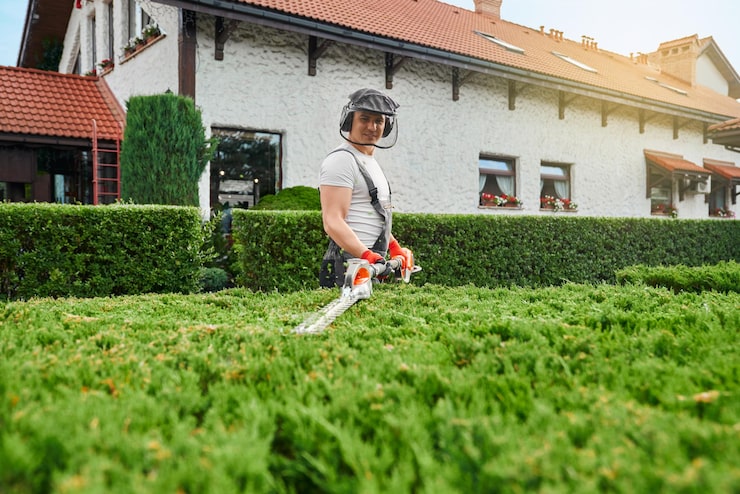
Mowing height matters more than most homeowners realize. Cutting turf too short reduces drought tolerance, stresses root systems, and opens the lawn to weed pressure. A professional team mows at the biologically correct height for the grass variety — the height that retains soil moisture and keeps turf dense enough to outcompete what’s trying to grow in it.
Irrigation monitoring through July and August catches performance issues before they create damage. A head that’s shifted slightly off-angle, a zone running longer than it should, a drip emitter that’s clogged — these are small problems that a professional team catches on a routine visit and fixes before they cause dry patches, overwatered areas, or plant stress that takes weeks to reverse.
Fall
Fall is the most important and most underutilized season in Seattle yard maintenance. The work done between September and November determines what the yard looks like emerging from winter — and sets the foundation for the following growing season.
Lawn aeration is essential. Seattle’s soils compact over the course of a growing season, sealing off the air and water movement that root systems depend on. Running hollow-tine aeration equipment through the lawn profile restores that movement and creates the conditions for genuinely healthy turf development. Overseeding immediately after aeration fills thin areas with fresh grass before winter, so the lawn emerges in spring thicker and more competitive against moss.
Irrigation winterization protects the system from freeze damage that would otherwise surface as cracked lines and failed valves in spring. Protective mulching insulates planting bed root zones through winter temperature swings. Dormant fertilization on trees and shrubs supports root development through the cold months even when top growth has stopped.
The homeowners whose yards look best in April consistently received thorough professional attention the previous fall.
Winter
Winter in Seattle is quieter but not inactive. Persistent rainfall reveals drainage weaknesses invisible in summer. Moss accelerates into areas where turf is thin or soil is compacted. Structural pruning on trees and large shrubs is most effectively done during full dormancy — the branch architecture is visible, cuts heal cleanly, and the stress to the plant is minimal.
A professional maintenance team monitoring the property through winter catches emerging problems early. Moss treatment before February is far less expensive than moss remediation in April. A drainage issue identified in January is a straightforward fix. The same issue ignored until it undermines a retaining wall or erodes a planting bed is a significant project.
Conclusion
Here is the principle that changes how most homeowners think about professional lawn care: the benefits compound over time in ways that aren’t visible in any single season but become unmistakable over several years.
A lawn that receives proper aeration, overseeding, and fertilization every season gradually develops root depth, turf density, and disease resistance that a manually maintained lawn rarely achieves. Planting beds that are consistently mulched and maintained build soil health year over year. Trees and shrubs that receive timely seasonal pruning develop structure and vigor that improves their performance and appearance for decades.